
Tooth replacements should feel comfortable and look natural. That’s why dental implants are a popular choice for many people. They’re designed to function just like your own teeth and act as an investment in your smile. But, like any investment, it’s natural to wonder how long a dental implant will last.
The different parts of the implant have different lifespans. With consistent care, the implant post itself can last a lifetime, while the crown attached to it typically may need replacement after 10 to 15 years due to normal wear. Your oral health habits and regular dental visits play a big part in this. Care for your implants, and they’ll care for you!
What Is a Dental Implant?
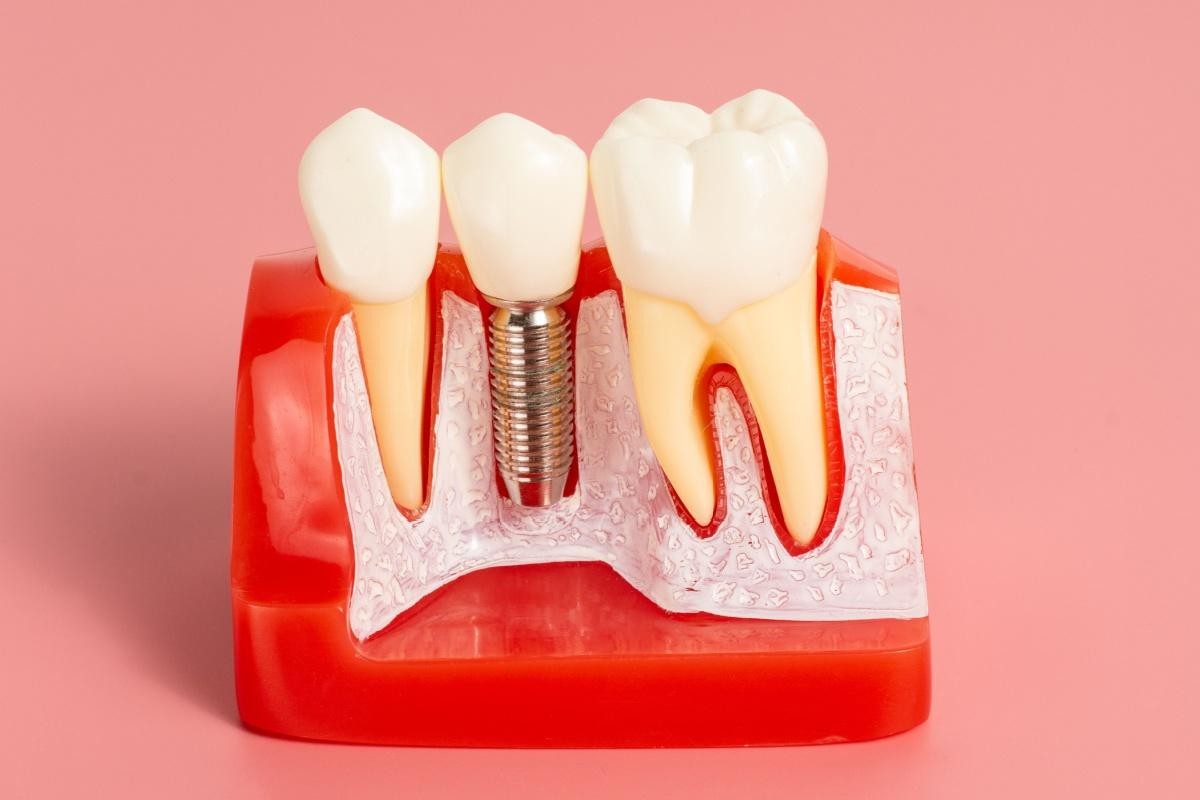
The dental implant itself is a small post made of a biocompatible material, such as titanium. A dental professional places this post into your jawbone, where it acts as a new root for a missing tooth. Over time, your bone heals around the post, creating a strong and stable foundation for a replacement tooth.
Each implant is made of 3 key components that come together to restore your smile:
- The Implant: This is the titanium post that fuses with your jawbone, creating a permanent anchor. Placing it is often the first step of dental implant surgery, after which you’ll need to let the area heal.
- The Abutment: This piece connects to the implant post and sits just above the gumline to hold the new tooth.
- The Crown: This is the replacement tooth, often a custom-made crown, designed to match your other teeth and secured to the abutment.
The General Lifespan of a Dental Implant
The implant post that integrates with your jaw becomes a fixed part of your mouth, meaning it can last for many years. The crown, however, is exposed to the daily pressures of chewing and biting, not to mention the same bacteria build up that your natural teeth face. This is why the crown may need to be replaced after about a decade or 2, while the implant beneath it remains secure.
Several factors can influence how long your implant and crown last:
- Your overall oral health and gum condition, which is why it is important to address signs of gum disease promptly
- Your daily brushing and flossing routine
- Regular professional dental appointments
- Lifestyle habits like diet and tobacco use
Your dental team can discuss these with you based on your personal health and lifestyle.
How You Can Help Your Implants Last
Your daily habits significantly impact the health of your dental implant. Consistent oral hygiene is the most effective way to help your implant last as long as possible and keep the surrounding gums healthy.
You can care for a dental implant much like you do your natural teeth. Brushing twice a day and flossing once a day are good habits. Pay close attention to cleaning around the implant crown to prevent plaque buildup along the gumline.
Regular checkups allow our dental team to monitor your implant, crown, and overall gum health. Professional dental exams and cleanings help remove hardened plaque and tartar that you can’t get rid of at home. Keeping the area clean is important for the long-term health of your implant.
Signs to Notice with Your Implant
It’s true that dental implants are quite durable, but it’s helpful to know what signs might point to a potential issue. Some of these may occur right after your surgery, while others may only present years down the road. Whatever the case, if you notice any of the following symptoms, it’s a good idea to schedule a visit with our team for an assessment:
- The implant crown feels loose or wiggles
- Pain or discomfort around the implant site that may require prompt dental care
- Gums that are swollen, red, or bleeding
- Difficulty or discomfort when you chew
Alternatives to Dental Implants
Dental implants are an effective solution for many, but they are just one of several ways to restore your smile. Depending on your specific needs and oral health, another option might be a suitable fit for you.
For bigger replacements, a dental bridge can fill the space left by one or more missing teeth. It’s an appliance anchored to the natural teeth on either side of the gap, though a dentist can also attach it to an implant. For those missing many or all of their teeth, full or partial dentures are a common and effective removable solution.
Cosmetic Touches for Your Smile
Restorative work is often part of a larger smile goal, which is where cosmetic options come in. Options like veneers are thin shells that can improve the appearance of teeth, while teeth whitening can brighten your smile. For people who still have all their natural teeth, but are looking for a straighter smile, treatments like Invisalign can address crooked teeth for a more uniform look.
Ready to Find Your Smile?
At the end of the day, dental implants are designed to be the next best thing to your natural teeth. While the titanium post could last a lifetime, the crown could eventually need to be replaced. The best way to protect both of them is to care for your smile everyday.
Every person’s situation is unique, so finding the right path forward starts with a conversation. During your consultation, we can review your oral health, listen to your goals, and explain the different restorative dentistry options that align with your needs.
Don’t put your smile on hold. If you’re considering a dental implant or another restorative treatment, our team at Sundance Dental Clinic is here to help. Schedule your consultation to discuss a personalized plan and build a smile that lasts a lifetime!