

Key Takeaways
- Symptoms that suggest a root canal include lingering pain and sensitivity to temperature.
- Prompt care helps relieve tooth discomfort fast.
- You can keep your natural tooth strong for daily chewing.
- Simple daily habits support a healthy smile after treatment.
Signs That You Need a Root Canal
If you feel a sharp ache when you sip your morning coffee or bite into a warm meal, there might be an issue below the surface of your tooth. Many people brush off early warning signs hoping the ache naturally fades away, but a timely visit with our team at Sundance Dental Clinic can help uncover what’s going on beneath your enamel.
You might need a root canal if you notice lingering pain, sensitivity to hot or cold foods, or swollen areas on your gums. Our dental team can help you address these symptoms early and protect your tooth before the issue gets worse.
What’s Actually Happening Inside Your Tooth
Inside Your Natural Tooth
Each tooth is made up of several layers. The outer enamel is the hard, white surface you see when you smile. Below that sits the dentin, a softer layer that makes up most of the tooth’s structure. At the very centre is the pulp, a soft tissue containing nerves, blood vessels, and connective tissue that keeps the tooth alive and responsive to temperature and pressure.
When a chip or tooth decay breaks through the hard outer surface, bacteria can reach the pulp and cause irritation or infection. The same can happen if a deep crack develops or an old filling breaks down over time. Once the pulp is affected, the tooth often signals the problem through pain, sensitivity, or swelling. A root canal removes the damaged pulp, cleans out the inside of the tooth, and seals it to protect against further infection. The treated tooth stays in place and continues to function normally.
Benefits of Prompt Care
Acting quickly when symptoms appear gives your dentist more options for treatment. A tooth caught early in the infection process is easier to save, and you may avoid more involved procedures later on. Saving the natural tooth also supports your jawbone, since the tooth’s root continues to stimulate the bone the way it always has.
If treatment is delayed too long, the infection can spread beyond the tooth into the surrounding bone, and the tooth may no longer be salvageable. At that point, extraction becomes the only option, and you’ll need to consider replacements like implants, bridges, or dentures to restore the gap. Getting evaluated at the first sign of trouble gives you the best chance of keeping the tooth you’ve already got.
Clear Signs & Symptoms to Note
Your mouth often gives clear signals when something’s wrong. Look out for these common signs:
- Noticeable pain when chewing your favourite meals.
- Lingering sensitivity to warm or cool drinks.
- Small bumps or swollen areas on your gums.
When to See a Dentist Right Away
Some root canal symptoms need attention sooner than others. While lingering sensitivity or mild pain can usually wait for a regular appointment, certain signs point to an infection that’s spreading or a tooth that’s at serious risk. These warrant an emergency dental visit rather than waiting it out.
Contact us immediately if you notice:
- Severe, throbbing pain that doesn’t ease with over-the-counter pain relief
- Swelling in your face, jaw, or neck, especially if it’s spreading
- A fever along with tooth pain, which can signal the infection is reaching beyond the tooth
- A pimple-like bump on your gums that drains pus or has a bad taste
- A tooth that feels loose, broken, or knocked out of place
- Pain so intense it’s interfering with sleep, eating, or daily activities
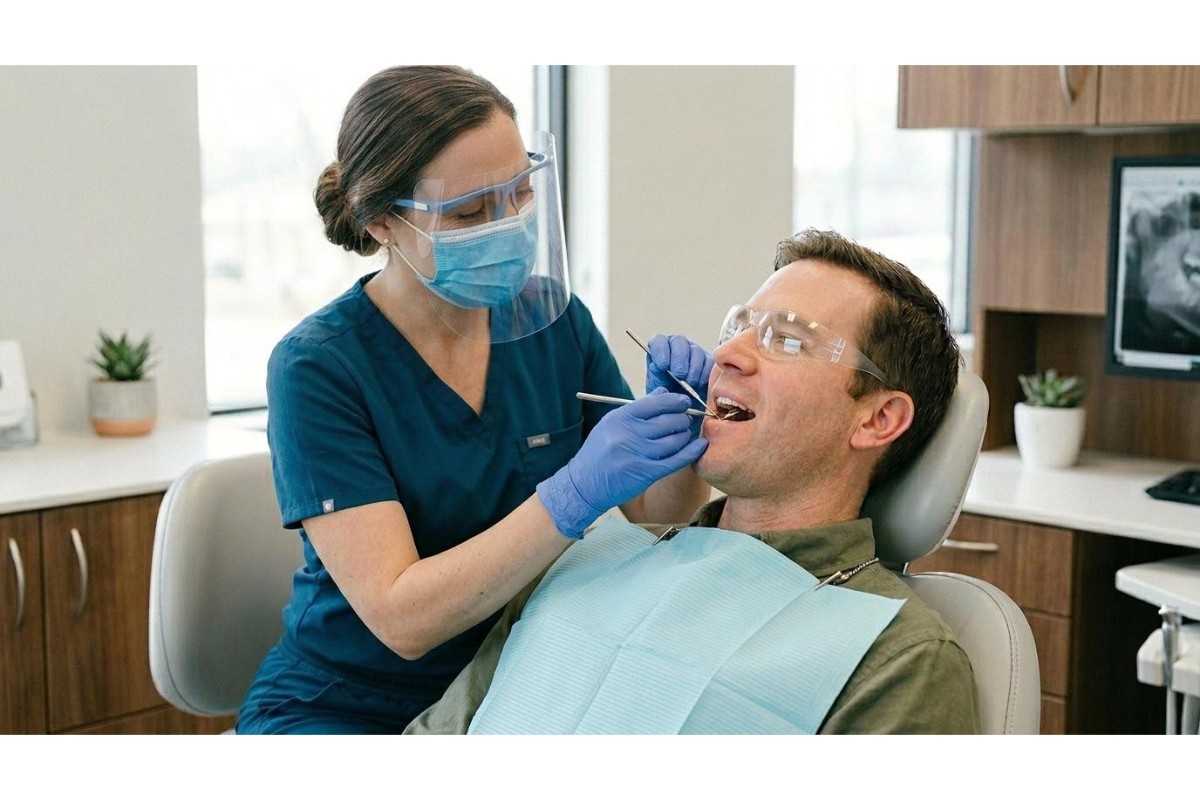
Infections in the mouth can move into surrounding tissues quickly, and in rare cases they can become serious enough to affect overall health. Getting evaluated promptly gives your dentist the best chance to address the problem before it escalates.
If you’re not sure whether your situation counts as an emergency, it’s worth calling. Our team can help you decide whether to come in right away or book a regular appointment based on what you’re experiencing.
How a Dentist Checks Your Teeth
Your dental team will start by reviewing the symptoms you’ve been experiencing and asking when they started. Knowing whether the pain is sharp or dull, constant or intermittent, and what triggers it (hot drinks, cold foods, biting down) helps narrow down what might be happening inside the tooth.
From there, digital x-rays give a clear view beneath your enamel. These detailed images show what’s happening at the root of the tooth, including signs of infection, decay that’s reached the pulp, or damage that isn’t visible from the surface. Digital x-rays use a fraction of the radiation of traditional film x-rays, and the results are available right away.
Your dentist will also examine your gums for colour changes, swelling, or small bumps that can point to infection. The surface of the tooth itself gets a close look too, since deep cracks or chips can be the entry point for bacteria reaching the pulp. In some cases, your dentist may also gently tap on the tooth or test its response to temperature to confirm whether the pulp is involved.
Once the assessment is complete, your dentist will walk you through what they found and explain whether a root canal is the right next step, or if a different treatment makes more sense for your situation.
What Happens After Your Appointment?
A Simple Recovery Timeline
You should be able to return to normal daily routines fairly quickly after your visit. For the first few days, you’ll be enjoying your favourite soft foods, like mashed potatoes. You may experience a bit of lingering soreness, but most people comfortably resume their work schedules soon after they leave the clinic.
Steps to Restore Your Smile
Your dentist will place a crown over the tooth for long-term protection. This keeps the treated area safe when you bite and chew tough foods.
Ways to Maintain Your Oral Health
Simple Daily Home Care
Brush your teeth gently after each meal. A soft-bristled brush helps keep the surface of your teeth clean without irritating your sensitive gums. Floss daily to remove food particles and bacteria that brushing alone can miss along your gumline. Let your dental team know about any changes you’ve noticed since your last visit, even small ones.
Professional Dental Support
Booking a teeth cleaning twice a year helps you stay on track with your dental health. Regular checkups also let your dentist catch minor changes early, before they turn into something that needs more involved treatment.
Catching tooth issues early is the easiest way to keep treatment simple. At Sundance Dental Clinic, we take the time to listen to what’s going on, walk you through your options, and help you make decisions that protect your long-term oral health.
Request an appointment today to keep your smile comfortable and bright.