Taking proper care of your teeth at home and visiting the dentist regularly can help you maintain a healthy smile and reduce the risk of periodontal disease (gum disease). Gum disease can cause bleeding gums, soreness, bad breath, and, in some cases, tooth loss.
However, it doesn’t have to mean inevitable tooth loss. With early detection, proper treatment, and good oral hygiene, many people can keep their teeth for life despite having gum disease.
Understanding Periodontal Disease: Causes & Stages
Periodontal disease, or gum disease, is chronic inflammation of the gums and supporting structures around your teeth. It starts with plaque, a sticky film of bacteria that constantly forms on your teeth, especially near the gumline. When plaque isn’t removed through daily brushing and flossing, it hardens into tartar, which fir’/mly attaches to teeth and provides a breeding ground for harmful bacteria.
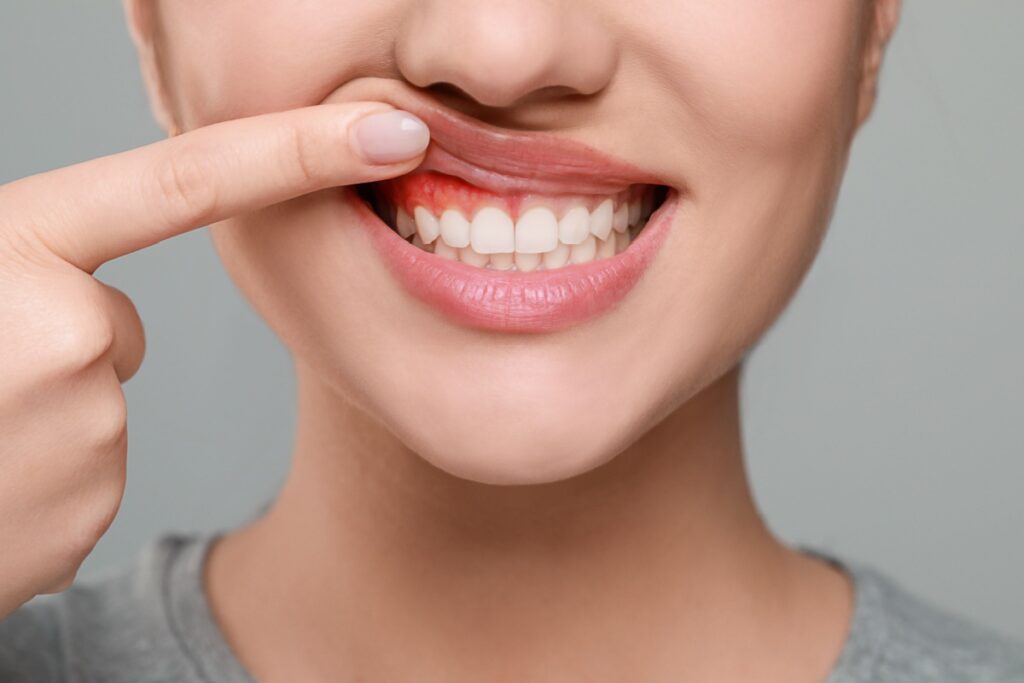
These bacteria irritate your gums, causing inflammation. This initial stage, called gingivitis, may cause gums to appear red, swollen, and to bleed easily when brushing or flossing. The good news is that gingivitis is reversible with proper dental care and good home hygiene.
If left untreated, gingivitis can progress to periodontitis, a more serious condition where the inflammation affects the deeper tissues and bone that support your teeth. As the infection worsens, the gums pull away from the teeth, forming pockets that trap additional bacteria. Over time, these pockets deepen, and the bone supporting the teeth deteriorates, which can cause your teeth to loosen and eventually fall out.
Can You Prevent Tooth Loss with Periodontal Disease?
The key to keeping your teeth despite having periodontal disease is proactive management and regular dental care. Tooth loss is not an automatic consequence of gum disease, especially if you catch it early and follow through with treatment.
Your dental team plays a crucial role in managing periodontal disease. They will start with professional cleanings to remove tartar buildup that you cannot eliminate with regular brushing. In more advanced cases, a deeper cleaning called scaling and root planing may be necessary. This procedure cleans below the gumline, removing tartar and smoothing the tooth roots to help the gums heal and reattach.
In some cases, your dentist may also prescribe antimicrobial rinses or medications to control infection and reduce inflammation. If the disease is very advanced, surgical options might be discussed to restore gum and bone health.
Lifestyle Changes to Protect Your Teeth
Alongside professional treatment, your daily habits are vital in controlling gum disease and protecting your teeth. Good oral hygiene practices include:
- Brushing your teeth at least twice a day for two minutes with fluoride toothpaste.
- Flossing daily to remove plaque and food debris between teeth, where a toothbrush can’t reach.
- Using an alcohol-free antimicrobial mouthwash to reduce harmful bacteria.
- Quitting smoking or using tobacco products, as they significantly increase the risk of gum disease and make it harder to treat.
- Eating a balanced diet rich in fruits and vegetables to support your immune system.
- Limiting sugary foods and drinks, which feed bacteria that cause plaque and gum disease.
Making these changes, combined with regular dental visits, can help keep your gums healthy and slow or stop the progression of periodontal disease.

FAQs About Periodontal Disease & Tooth Longevity
Is Tooth Loss Inevitable with Gum Disease?
No. While advanced untreated periodontal disease can lead to tooth loss, many people manage the condition successfully and keep their natural teeth for life through treatment and good oral care.
How Often Should I See the Dentist If I Have Gum Disease?
Patients with periodontal disease often need dental cleanings and check-ups every 3 to 4 months to monitor and manage the condition.
Can Periodontal Disease Be Cured?
Gingivitis, the earliest stage of gum disease, is reversible. Periodontitis is a chronic condition that can be managed and controlled, but it may require ongoing care to prevent further progression.
What Happens If I Ignore Periodontal Disease?
Ignoring gum disease allows bacteria to damage gums and bone, leading to loose teeth, infections, and eventual tooth loss. It can also harm your overall health.
Does Periodontal Disease Affect Overall Health?
Yes. Research has linked gum disease to systemic health issues, including heart disease, diabetes, and respiratory problems. Maintaining good gum health is crucial for overall body wellness.
Keep Your Teeth for Life Even with Gum Disease
While periodontal disease is a serious condition, it does not have to mean losing your teeth. With early detection, professional dental care, and good home hygiene, you can protect your smile and enjoy your natural teeth for many years.
If you notice signs of gum disease—such as red, swollen, or bleeding gums, persistent bad breath, or loose teeth—don’t wait. At Sundance Dental Clinic, our experienced team is dedicated to helping you manage periodontal disease with compassionate, expert care.
We provide thorough examinations, professional cleanings, and personalized treatment plans designed to preserve your oral health and keep your smile strong. Contact us today to book your appointment and take the first step toward healthier gums and teeth.